The guideFound a home2 min read
Finance approval and exchange
Pre-approval isn't approval. What happens between the accepted offer and the binding contract, and what a low valuation does to you.
By Paddy Carroll · Founder, HomePlanner
Between the handshake and the binding contract there is a stretch of two or three weeks where the purchase is real but not certain. Most of what can still go wrong goes wrong here, and almost all of it comes down to one number you don't control: what the lender thinks the property is worth.
From pre-approval to unconditional
Pre-approval was the lender's view of you. Formal approval is their view of you and this specific property, and the second half is new information. They will value it, and they are not valuing it the way you did.
When the valuation comes in low
You have agreed to pay $800,000. The lender's valuer says $770,000. The lender will lend against their number, not yours, so a gap of $30,000 becomes $30,000 of extra deposit you had not planned for — or a higher loan-to-value ratio, which can drag in lenders mortgage insurance you had avoided.
Can you challenge the valuation?
Sometimes, and it is worth trying. Send your broker the comparable sales the valuer appears to have missed, and any material fact about the property they may not have had. It doesn't often move far, but it costs a phone call and occasionally closes the gap.
Can you just go to a different lender?
Yes, and valuations do differ between lenders. But a fresh application takes time you may not have inside a finance clause, and each credit enquiry is visible. This is where a broker earns their fee: they will know which lenders value your kind of property more generously.
What if you have no finance clause?
Then the shortfall is yours to find in cash, and if you can't, you are in breach. That is the risk you took when you went unconditional, and it is why that decision belongs to a weekday conversation with your broker rather than to auction day.
Lenders mortgage insurance
Borrow more than 80% of the lender's valuation and you will usually pay LMI. It insures the lender, not you, and it can run to tens of thousands, typically added to the loan so you pay interest on it for decades.
You may not have to. The government's 5% deposit scheme lets eligible first home buyers borrow up to 95% with the government guaranteeing the gap and no LMI payable. Since 1 October 2025 income caps are gone and places are uncapped, though property price caps still apply by city. A family guarantee, where a relative offers equity in their own property as additional security, is the other common route.
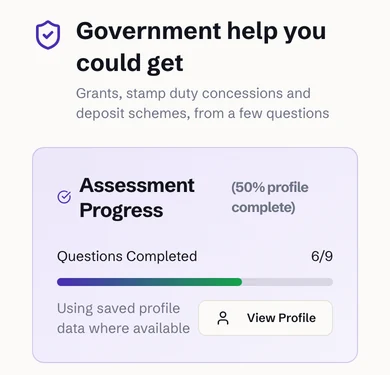
- Six of nine questions answered from what you've already entered
Exchange
Exchange is the moment the contract becomes binding on both sides: signed contracts are swapped and you pay the deposit, usually 10% and often negotiable to 5%. It should go into a trust or stakeholder account, not to the vendor directly. From here the property is effectively yours to lose, and the settlement date in the contract is a date you are now obliged to meet.
Do this in HomePlannerTransactions Exchange starts a run of dates that are now contractual. Keep them, and who owes what by when, somewhere other than your inbox.Free account requiredBefore you move on
- Formal application submitted with complete documents
- You know your finance clause date and have diarised it
- You've asked your broker what happens if the valuation comes in low
- You've checked whether you qualify to avoid LMI
- Insurance arranged from the day risk passes, not from settlement